
Get Residential Roof Replacement
Residential roof replacement services help property owners address damaged, aging, or leaking roofs by connecting them with local contractors skilled in installing new roofing systems.
If your property is showing signs of wear or aging, exploring residential roof replacement options can be a practical step to maintain its integrity and appearance. Property owners in the area often consider roof replacement to protect their investment from weather-related damage, improve energy efficiency, or simply enhance curb appeal. Whether you're planning for long-term durability or preparing for upcoming seasons, understanding your local contractor options can help you make informed decisions about this important project.
Comparing local service providers can ensure you find experienced contractors who understand the specific needs of properties in the area. Many property owners choose to explore their options carefully to identify professionals with a strong reputation for quality work and reliable service. Continuing to read can provide valuable insights into how to approach your roof replacement project and connect with trusted local experts capable of handling the work effectively.
- Residential Roof Replacement - Needed when a roof has extensive damage or aging that cannot be repaired effectively.
- Shingle Roof Replacement - Suitable for homeowners with worn or damaged asphalt shingles requiring a full upgrade.
- Tile Roof Replacement - Recommended when existing tile roofs are cracked, broken, or nearing the end of their lifespan.
- Flat Roof Replacement - Necessary for commercial or residential buildings with flat roofing systems experiencing leaks or deterioration.
- Emergency Roof Replacement - Required when storm damage or sudden issues compromise the roof’s integrity and need immediate attention.
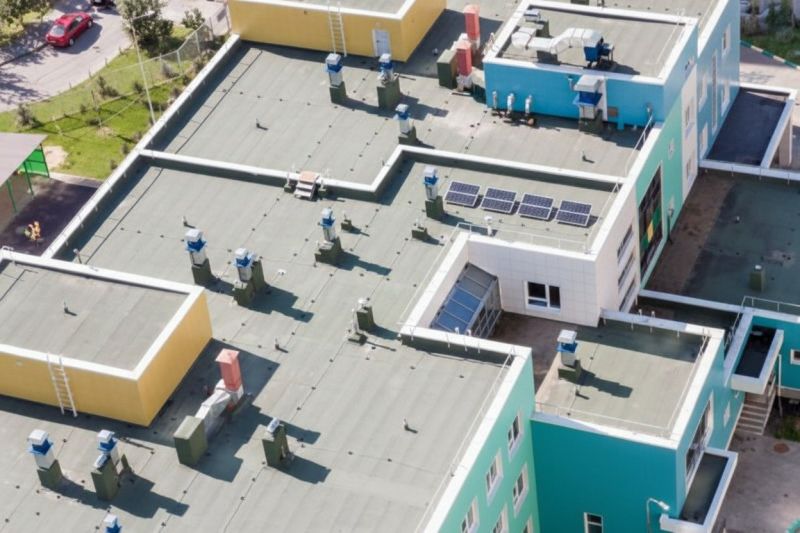
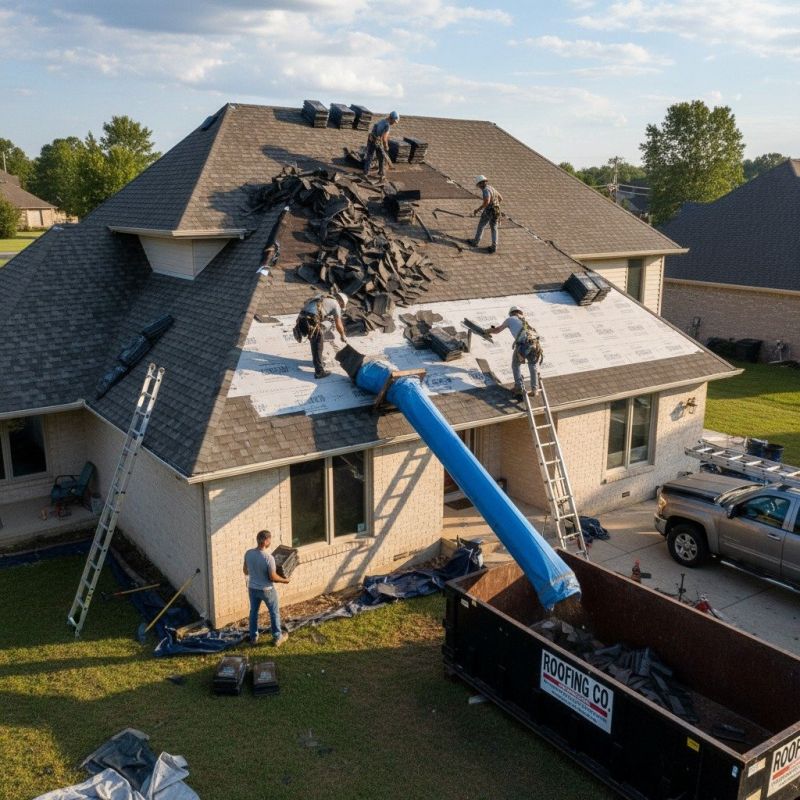
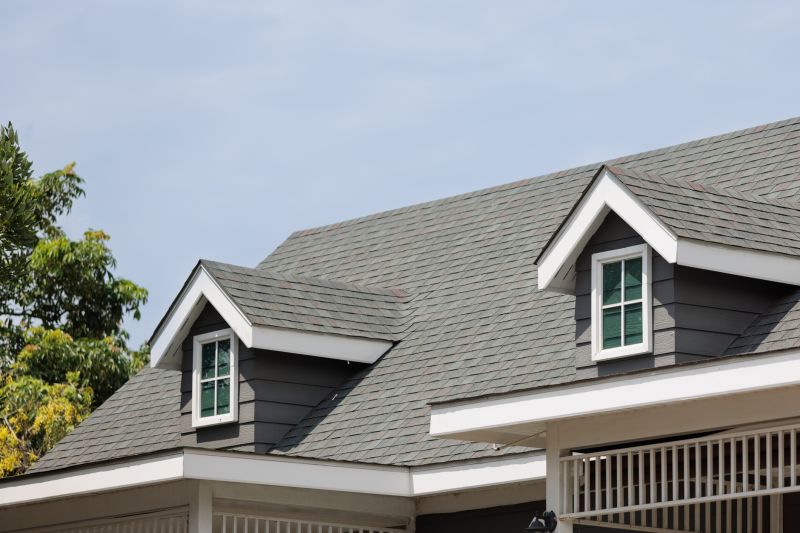
Residential roof replacement services involve removing an existing roof and installing a new one to ensure the property remains protected from the elements. This process typically includes inspecting the current roof, removing damaged or outdated materials, and carefully installing new shingles, tiles, or other roofing components. The goal is to restore the roof’s integrity, improve its appearance, and increase the overall durability of the home. Experienced local contractors can handle all aspects of this work, ensuring that the replacement is performed correctly and efficiently.
Roof replacement is often necessary when a home’s roof shows signs of significant wear or damage. Common problems that prompt a replacement include extensive shingle or tile deterioration, leaks that cannot be repaired effectively, or widespread rot and mold caused by moisture intrusion. Additionally, older roofs may no longer meet current building standards or aesthetic preferences, making replacement a practical solution. Addressing these issues promptly can help prevent more costly repairs or structural damage in the future, safeguarding the home’s value and safety.
This service is typically used on a variety of residential properties, including single-family homes, townhouses, and multi-family buildings. Homes with aging roofs that have reached the end of their lifespan are prime candidates for replacement. Properties that have experienced severe weather events, such as storms or heavy snowfall, may also require roof updates to restore protection. Whether a house has a traditional shingle roof, tile, or another material, local service providers can customize the replacement process to suit the specific needs and style of the property.
Homeowners who notice signs of roof deterioration or are planning renovations may consider roof replacement as part of their property maintenance. Common indicators include missing or curling shingles, persistent leaks, water stains inside the home, or visible damage from the ground. A professional assessment can help determine whether a replacement is needed or if repairs might suffice. Connecting with experienced local contractors can provide the expertise necessary to evaluate the condition of the roof and recommend the best course of action for maintaining the home’s safety and appearance.
The overview below groups typical Residential Roof Replacement projects into broad ranges so you can see how smaller, mid-sized, and larger jobs often compare in your area.
In many markets, a large share of routine jobs stays in the lower and middle ranges, while only a smaller percentage of projects moves into the highest bands when the work is more complex or site conditions are harder than average.
Smaller Repairs - minor roof repairs typically cost between $250 and $600, covering issues like small leaks or damaged shingles. Many routine repairs fall within this range, depending on the extent of the damage and materials needed.
Partial Replacement - replacing a section of roofing can range from $1,000 to $3,500, depending on the size of the area and type of materials used. Larger, more complex partial jobs are less common but can push costs higher.
Full Roof Replacement - a complete roof replacement generally costs between $5,000 and $15,000, influenced by roof size, materials, and complexity. Most projects in this category tend to fall in the middle of this range, with larger, more intricate roofs reaching higher prices.
High-End or Complex Projects - larger, more complex roof replacements can exceed $20,000, especially for premium materials or extensive structural work. Such projects are less frequent but represent the upper tier of typical residential roof replacement costs.
Actual totals will depend on details like access to the work area, the scope of the project, and the materials selected, so use these as general starting points rather than exact figures.
Gutter Replacement - this project involves installing or repairing gutters, requiring similar planning, tools, and roofing skills to ensure proper water drainage and roof protection.
Attic Insulation Installation - installing insulation in attics shares planning and access considerations with roof replacement, helping improve energy efficiency and thermal performance.
Roof Leak Repair - addressing roof leaks involves identifying damage and applying repair techniques comparable to those used in full roof replacements.
Skylight Installation - installing skylights requires precise planning and roofing skills, often involving modifications to the roof structure similar to replacement projects.
Roof Ventilation System Installation - upgrading or installing ventilation systems involves working on the roof structure and requires similar tools and planning as roof replacement services.
Exterior Siding Replacement - replacing or repairing siding involves working on the building envelope with skills related to roofing, including planning and tool use for weatherproofing and aesthetics.
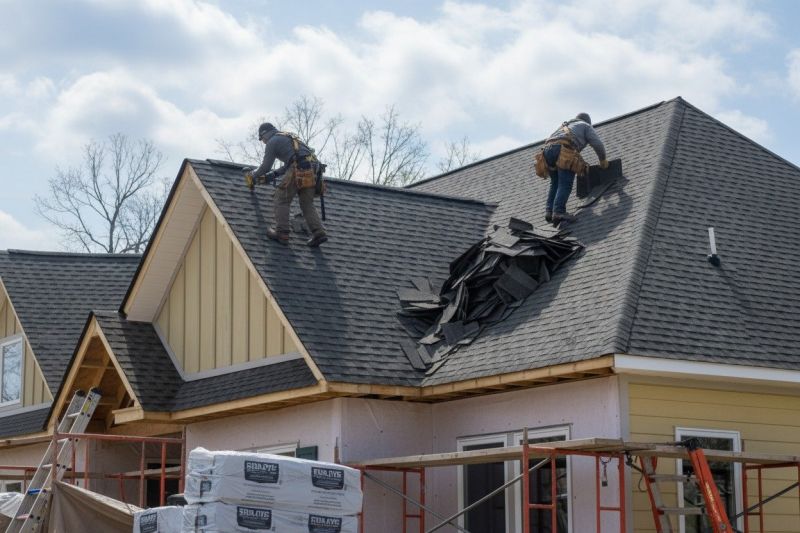
When evaluating service providers for residential roof replacement, it’s important to consider their experience with similar projects. Homeowners should look for local contractors who have a proven track record of handling roof replacements comparable in size, style, and complexity to their own homes. An experienced professional is more likely to understand the nuances of different roofing materials and installation techniques, which can contribute to a successful outcome. Checking whether a contractor has completed projects similar to the homeowner’s can provide insight into their familiarity with local building codes and climate considerations, helping to ensure a smooth and reliable process.
Clear, written expectations are essential when comparing local pros for roof replacement services. A reputable service provider should be willing to outline the scope of work, materials to be used, and any warranties or guarantees in a detailed proposal or contract. This documentation helps prevent misunderstandings and ensures that both parties are aligned on what will be delivered. Homeowners should seek out contractors who communicate openly and provide transparent information, making it easier to compare options and make informed decisions based on the specifics of each proposal.
Reputable references and effective communication are key indicators of a trustworthy local contractor. Homeowners are encouraged to ask for references from previous clients who had similar roofing projects completed. Contacting these references can offer valuable insights into the contractor’s reliability, workmanship, and professionalism. Additionally, good communication throughout the process-prompt responses, clarity in explanations, and willingness to address questions-can significantly impact the overall experience. While the site introduces homeowners to local options, it’s important to remember that selecting a qualified, communicative service provider is a critical step in achieving a successful roof replacement.
Property owners use Residential Roof Replacement services for practical projects around their homes and businesses. This guide focuses on everyday jobs and straightforward project options.
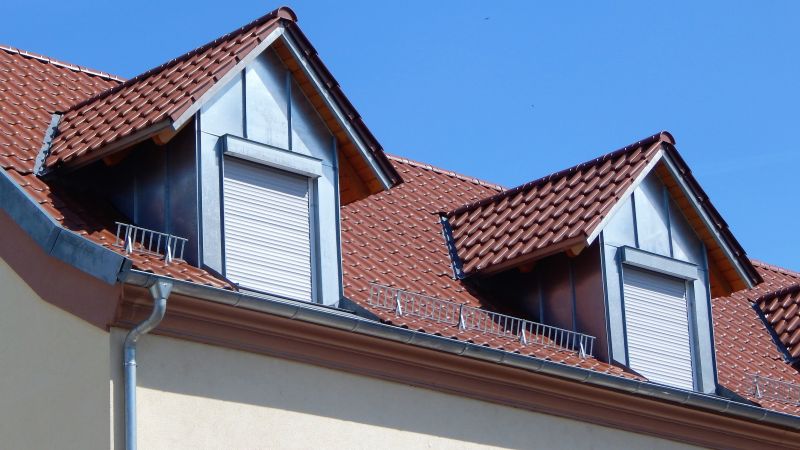
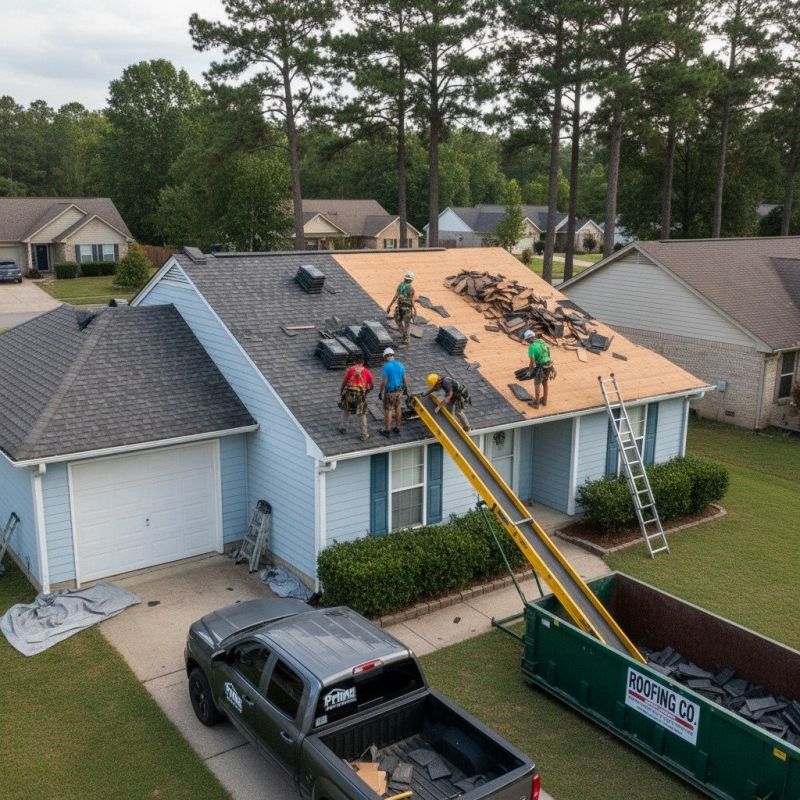
Residential roof replacement is often needed when property owners notice signs of aging, such as missing shingles, leaks, or extensive wear. Many local homeowners seek these services after experiencing storm damage or after their roof has reached the end of its typical lifespan. Additionally, some property owners may pursue a replacement to improve the overall appearance of their home or to increase its value, especially if they are preparing to sell or renovate.
Local contractors who specialize in roof replacement can assist with a variety of project situations. Whether dealing with damage from weather events or upgrading an older roof, these service providers are equipped to handle different types of roofing materials and styles. Property owners often contact local pros to ensure their homes are protected and to address concerns about leaks, drafts, or structural integrity that may arise over time.
What are signs that a roof needs replacement? Indicators include widespread leaks, missing or damaged shingles, significant granule loss, and visible sagging or curling of roofing materials.
How do I know if my roof is suitable for replacement? A professional assessment can determine if the roof has extensive damage, age-related wear, or structural issues that warrant a full replacement.
What types of roofing materials are available for replacement? Options include asphalt shingles, metal roofing, tile, and wood shakes, among others, depending on the style and durability desired.
Can a roof replacement improve the energy efficiency of a home? Yes, installing modern roofing materials and proper insulation can help enhance energy efficiency and reduce heating and cooling costs.
What should I consider when choosing a local contractor for roof replacement? Look for experienced service providers with good reputations, proper insurance, and a history of quality workmanship in your area.
Assessing Roof Damage - Property owners can use this service to identify whether their roof needs repairs or replacement after severe weather or visible wear.
Upgrading Roofs for Better Insulation - Homeowners interested in improving energy efficiency might explore roof replacement options that enhance insulation and reduce utility costs.
Replacing Old or Worn Roofs - Those with aging or deteriorating roofing materials can find local contractors who specialize in removing and installing new roofing systems.
Enhancing Curb Appeal - Property owners aiming to improve the appearance of their home can consider roof replacement as part of a broader exterior renovation project.
If you are thinking about Residential Roof Replacement for a property, this guide is meant to help you understand the work, the typical project types, and how different options might fit your plans.
When you are ready, you can use the quote form on this page to share a few details about your project. From there, local pros can review the basics and respond with options that match what you have in mind.